
How Does the Human Digestive System Work?
Anatomy of the GI Tract
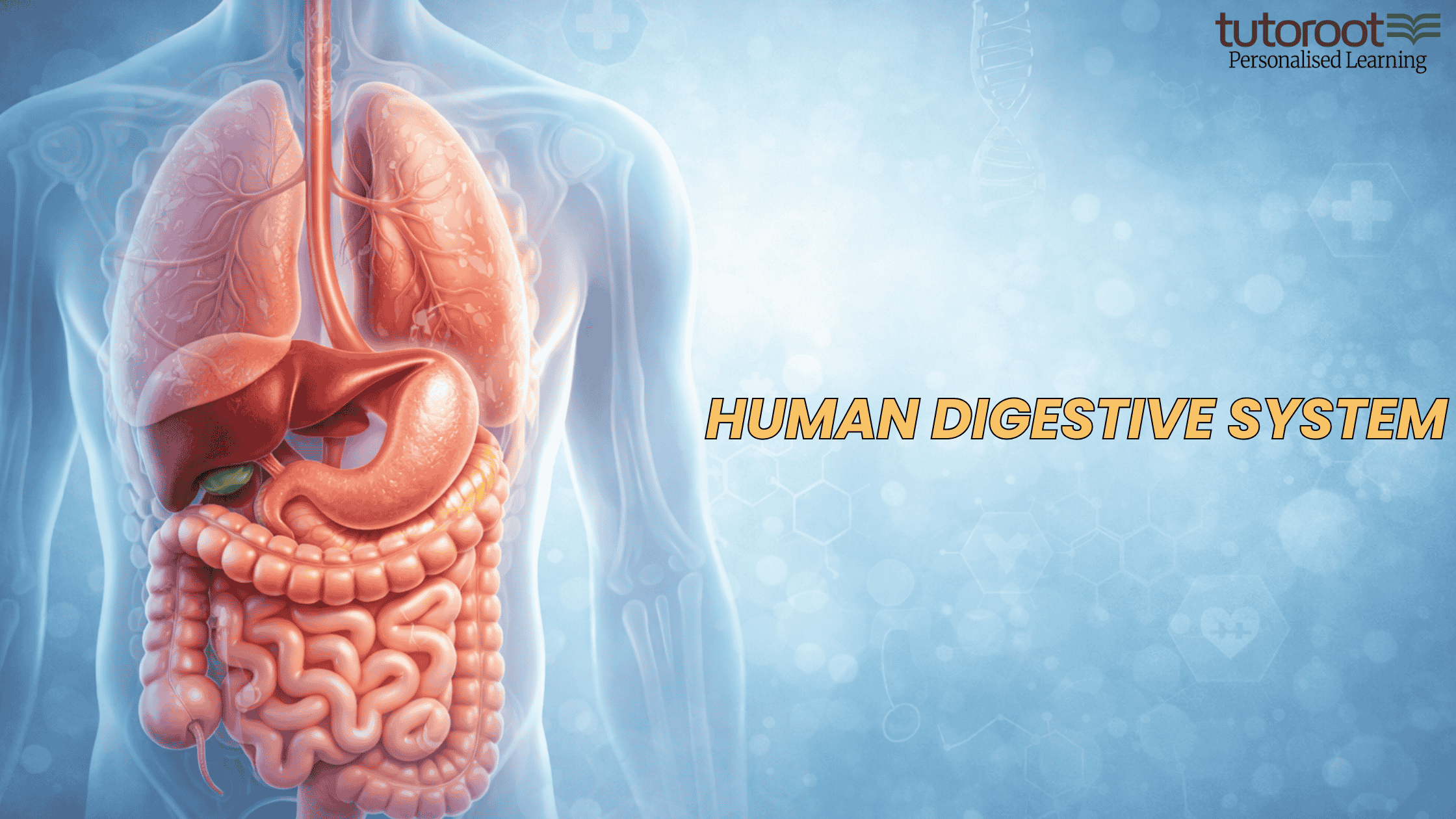
The human digestive system consists of a continuous muscular tube and several accessory organs that aid in chemical breakdown.
Primary Organs:
-
Mouth: The entry point where mechanical chewing and chemical enzymes (saliva) begin the process.
-
Esophagus: A conduit that uses peristalsis (rhythmic muscle contractions) to move food to the stomach.
-
Stomach: A muscular sac that mixes food with gastric juices to create a semi-liquid called chyme.
-
Small Intestine: The longest section and the primary site for nutrient absorption, aided by finger-like projections called villi.
-
Large Intestine: Primarily responsible for water absorption and the formation of solid waste.
-
Rectum & Anus: The final stations for storage and elimination of waste.
Accessory Organs:
-
Liver: Produces bile to digest fats.
-
Gallbladder: Stores and concentrates bile.
-
Pancreas: Secretes powerful enzymes into the small intestine to break down starches, fats, and proteins.
The Digestive Process at a Glance
| Organ | Movement | Digestive Juices | Nutrients Broken Down |
| Mouth | Chewing | Saliva | Starches |
| Esophagus | Swallowing | None | None |
| Stomach | Churning/Mixing | Gastric Acid | Proteins |
| Small Intestine | Peristalsis | Intestinal Enzymes | Starches, Proteins, Carbohydrates |
| Pancreas | Secretion | Pancreatic Juice | Starches, Fats, Proteins |
| Liver | Secretion | Bile Acids | Fats |
The Five Stages of Digestion
To maintain life, the body follows a strict five-step sequence:
1. Ingestion
This is the act of consuming food. Mechanical breakdown starts here via the teeth, which increases the surface area for enzymes like amylase to begin breaking down complex carbohydrates.
2. Digestion
The chemical breakdown of food into absorbable components.
-
In the stomach: Hydrochloric acid and pepsin target proteins.
-
In the small intestine: Bile and pancreatic lipase break down lipids (fats).
3. Absorption
Nutrients move from the GI tract into the bloodstream.
-
Villi in the small intestine maximize the surface area for this transfer.
-
Water-soluble nutrients enter the blood, while fats enter the lymphatic system.
4. Assimilation
This is the “usage” phase. Cells take up the absorbed nutrients from the blood:
-
Amino acids build new proteins.
-
Glucose provides immediate energy.
-
Vitamins/Minerals support biochemical reactions.
5. Elimination
The removal of undigested material. The large intestine reclaims water, and the remaining waste is expelled from the body as stool.
Maintaining Digestive Health
A healthy system relies on three pillars:
-
Hydration: Water is essential for mucosal health and waste movement.
-
Fiber: Helps maintain regular bowel movements and feeds healthy gut bacteria.
-
Physical Activity: Stimulates the natural contractions (peristalsis) of the intestines.
Expert Tip: Understanding how your body processes fuel allows you to make more mindful dietary choices, leading to better long-term vitality.
Frequently Asked Questions (FAQ)
Q1. What is the difference between the Alimentary Canal and the human Digestive System?
The Alimentary Canal refers specifically to the continuous muscular tube that food passes through (from mouth to anus). The Digestive System is a broader term that includes the alimentary canal plus the accessory organs (liver, pancreas, and gallbladder) that produce essential digestive chemicals.
Q2. What is Peristalsis and why is it important?
Peristalsis is a series of wave-like muscle contractions that move food along the digestive tract. It is crucial because it ensures food travels in one direction and continues to move even against the force of gravity.
Q3. How does the stomach protect itself from its own acid?
The stomach lining is covered by a thick layer of mucus secreted by mucous neck cells. This barrier prevents the highly acidic gastric juice (HCl) from dissolving the stomach’s own tissue.
Q4. Why is the Small Intestine called “small” if it is the longest part of the tract?
The terms “small” and “large” refer to the diameter of the tube, not its length. The small intestine is much longer (about 6–7 meters) but has a narrow opening, while the large intestine is shorter but much wider.
Q5. What is the role of Bile, and where is it produced?
Bile is produced by the liver and stored in the gallbladder. Its primary job is to emulsify fats, which means breaking large fat globules into tiny droplets so that enzymes can digest them more easily.
Q6. What are Villi, and how do they help in absorption?
Villi are tiny, finger-like projections on the inner walls of the small intestine. They increase the surface area available for absorption, allowing nutrients to enter the bloodstream much faster.
Elevate Your Biology Preparation with Tutoroot
Struggling with complex biological diagrams or the chemical pathways of digestion? Our expert faculty at Tutoroot provides personalized, one-on-one online tuition tailored to your learning pace.
-
Customized Lesson Plans: Focus on the topics you find hardest.
-
Interactive Sessions: Real-time doubt clearing with subject matter experts.
-
Performance Tracking: Regular assessments to ensure you’re exam-ready.